
How to Spot Fake Clean Carts in 2026: The Ultimate Visual Guide (Real vs Fake Photos, QR Code Hacks & 7 Deadly Red Flags)
Fake vape cartridges have become one of the biggest problems in the cannabis market. As vaping continues to grow in popularity, counterfeiters are getting better at copying packaging, branding, and even verification systems.
In 2026, fake cartridges are more convincing than ever. Some counterfeits include realistic packaging, printed batch numbers, and QR codes that appear legitimate at first glance. To an untrained eye, the difference between a real cartridge and a fake one can be nearly impossible to spot.
Unfortunately, fake cartridges can contain dangerous ingredients. Because they are produced outside regulated environments, these products may include pesticides, cutting agents, residual solvents, or heavy metals. This makes identifying authentic products extremely important for anyone who uses vape cartridges.
This guide will walk you through everything you need to know about spotting fake Clean Carts. You’ll learn the most common warning signs, how to verify packaging and QR codes, what real distillate oil should look like, and the most reliable ways to avoid counterfeit products.
By the end of this guide, you’ll know exactly how to protect yourself from fake carts.
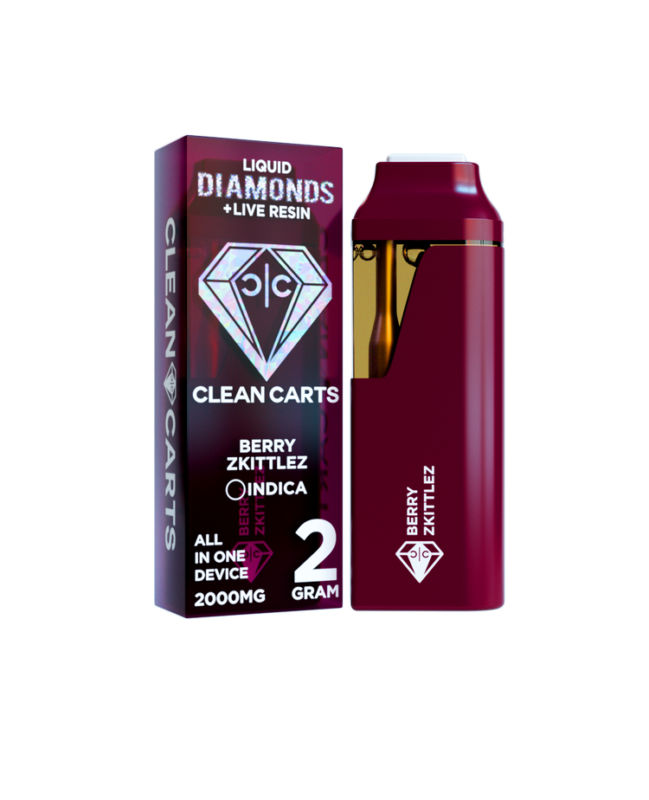
The Growing Problem of Fake Vape Cartridges
The cannabis industry has expanded rapidly over the past decade, and with that growth has come a massive counterfeit market. Vape cartridges are particularly easy to fake because the hardware and packaging can be purchased in bulk online.
In many cases, counterfeiters buy empty cartridges and packaging that mimic real brands. They then fill those cartridges with unregulated oil and sell them through unofficial channels.
What makes this issue especially concerning is that counterfeit products bypass all safety regulations. Licensed manufacturers must follow strict guidelines, including lab testing for contaminants and potency. Fake cartridge producers ignore these standards entirely.
This means counterfeit carts may contain:
- Unregulated cannabis oil
- Synthetic cannabinoids
- Cutting agents designed to thin oil
- Residual solvents from extraction processes
- Pesticide contamination
- Heavy metals from cheap hardware
Because of these risks, knowing how to identify fake cartridges is essential for consumer safety.
Why Clean Carts Are Often Counterfeited
Popular brands are frequent targets for counterfeiters because demand for them is high. When a product becomes widely recognized, fake versions often appear on the market.
Clean Carts have developed a reputation for sleek packaging, strong potency, and smooth vapor. That popularity makes the brand attractive to counterfeit sellers looking to profit quickly.
Many buyers assume that if packaging looks professional, the product must be legitimate. Counterfeiters rely on this assumption and invest heavily in replicating the appearance of authentic packaging.
However, even the best fakes usually contain small details that give them away.
Learning to spot these details can save you from buying a counterfeit product.
Real vs Fake Clean Carts: Visual Differences
One of the easiest ways to identify fake cartridges is by carefully examining the packaging and hardware. Authentic products are manufactured using consistent materials and printing techniques, while counterfeit versions often cut corners.
Here are some of the most common visual differences between real and fake cartridges.
Packaging Quality
Authentic packaging typically features sharp, high-resolution printing with vibrant colors and precise details. The text is clear, evenly spaced, and free from spelling errors.
Fake packaging often reveals subtle flaws. These may include blurry text, uneven colors, misaligned graphics, or slight variations in font style.
Another red flag is packaging that feels unusually thin or flimsy. Authentic products usually use sturdy materials designed to protect the cartridge during shipping and storage.
Holographic Security Seals
Many legitimate cartridges include holographic security seals or tamper-proof stickers. These seals help manufacturers verify authenticity and prevent unauthorized opening.
Fake versions sometimes attempt to copy these seals, but the holographic patterns may look dull or poorly printed. In some cases, the seal may be missing entirely.
If a package appears to have been opened or resealed, it should immediately raise suspicion.
Batch Numbers and Production Information
Real cartridges usually include detailed product information printed on the box or label. This often includes batch numbers, manufacturing dates, and potency details.
Counterfeit products sometimes skip this information entirely or print generic numbers that do not correspond to real production batches.
If a package lacks specific production details, it is worth investigating further.
The QR Code Verification Trick
One of the most common features on modern cannabis packaging is a QR code. These codes are designed to allow customers to quickly verify product authenticity or view lab testing results.
Scanning the code with a smartphone typically leads to a page showing the product’s Certificate of Analysis. This certificate contains detailed information about the cartridge’s potency and safety testing.
However, QR codes alone should not be trusted blindly.
Counterfeiters have learned how to replicate QR codes and link them to fake verification pages. These pages may display fabricated lab results designed to convince buyers that the product is real.
To properly verify a QR code, pay attention to the following details:
First, check whether the page includes a batch number that matches the one printed on the packaging. If the numbers do not match, the product may be counterfeit.
Second, examine the overall quality of the verification page. Legitimate verification systems usually include detailed product information, testing dates, and professional formatting.
Third, watch out for generic product pages that do not reference the specific cartridge you purchased.
If anything about the verification process feels suspicious, it is best to avoid using the product.
Understanding the Bubble Test
One of the most well-known tricks for identifying fake cartridges is the bubble test. This method involves observing how quickly the air bubble inside the cartridge moves when the cartridge is flipped upside down.
Cannabis distillate is naturally thick and viscous. Because of this thickness, the air bubble inside a genuine cartridge should move very slowly.
When you flip the cartridge, the bubble may take several seconds to rise through the oil.
Fake cartridges often contain thinner oils or diluted mixtures. In these cases, the bubble may move quickly or travel through the oil almost instantly.
While the bubble test can provide helpful clues, it is not completely reliable. Some counterfeiters intentionally thicken their oil to mimic the behavior of real distillate.
For this reason, the bubble test should be used alongside other verification methods rather than as a standalone test.
Examining the Oil Inside the Cartridge
The appearance of the oil inside a cartridge can also reveal important clues about authenticity.
Authentic cannabis distillate usually appears clear and smooth, with colors ranging from light gold to amber. The oil should look consistent throughout the cartridge without cloudy areas or floating particles.
Fake cartridges sometimes contain darker oil, cloudy mixtures, or uneven coloration. These visual differences may indicate impurities or poorly refined extracts.
Another warning sign is the presence of visible air bubbles trapped inside the oil. While small bubbles may appear occasionally, large clusters of bubbles can suggest poor filling techniques or low-quality oil.
Temperature can also affect the appearance of distillate. Cold temperatures may cause the oil to thicken or crystallize slightly, while warm conditions can make it appear thinner.
For accurate observations, always examine the cartridge at room temperature.
Hardware Quality: Real vs Fake
The cartridge hardware itself can reveal a lot about authenticity.
Authentic cartridges are typically made from high-quality materials designed to provide smooth vapor and consistent performance.
These cartridges often feature:
- Durable glass tanks
- Ceramic heating elements
- Precision metal threading
- Secure mouthpieces
Counterfeit hardware may look similar at first glance but often feels lighter or less sturdy.
Cheap cartridges sometimes use plastic components instead of glass. These materials can affect flavor and durability.
Another common issue with fake cartridges is loose or poorly fitted mouthpieces. If the mouthpiece wiggles or feels unstable, the cartridge may not be genuine.
Leaks are another warning sign. Authentic cartridges are carefully sealed to prevent oil from escaping. If oil appears around the threads or mouthpiece, the cartridge may be poorly manufactured.
The Seven Deadly Red Flags of Fake Clean Carts
While counterfeit cartridges vary widely, several warning signs appear repeatedly. If you encounter any of the following red flags, it is wise to proceed with caution.
1. Extremely Low Prices
If a cartridge is being sold far below the typical market price, there is a strong chance it may be counterfeit.
Legitimate products require regulated manufacturing, lab testing, and proper distribution. These processes create a baseline cost that authentic sellers must maintain.
Unusually cheap cartridges often indicate unregulated products.
2. Missing or Generic Packaging Details
Authentic packaging includes detailed information about the product, including batch numbers and manufacturing data.
Counterfeit packaging sometimes lacks this information or replaces it with generic placeholders.
3. Poor Print Quality
Blurry text, faded colors, and uneven graphics are common signs of counterfeit packaging.
Authentic brands invest heavily in professional printing and design.
4. Fake Verification Systems
QR codes or scratch-off verification labels that lead to generic pages may indicate a fake product.
Verification systems should provide detailed product information that matches the packaging.
5. Strange Oil Appearance
Oil that looks cloudy, unusually dark, or overly thin can be a warning sign.
Authentic distillate is typically smooth and consistent.
6. Cheap Hardware Construction
Loose components, plastic tanks, or poorly machined threads suggest low manufacturing standards.
Authentic cartridges use high-quality hardware to ensure performance and safety.
7. Unknown Sellers
Many counterfeit products are distributed through unofficial channels such as social media dealers or private sellers.
Buying from trusted sources significantly reduces the risk of encountering fake cartridges.
Where Fake Carts Are Most Commonly Sold
Understanding where counterfeit products appear most frequently can help you avoid them.
Fake cartridges are often sold through informal markets where verification is difficult. These may include private sellers, online messaging groups, or unregulated retail locations.
In these environments, buyers may have little information about the product’s origin.
Licensed dispensaries are generally safer because they must follow regulatory standards. Products sold through licensed retailers typically undergo laboratory testing and official packaging procedures.
This does not guarantee perfection, but it greatly reduces the likelihood of encountering counterfeit products.
The Role of Lab Testing in Product Safety
Laboratory testing is one of the most important safeguards in the cannabis industry.
Certified labs analyze products for potency, contaminants, and overall quality. These tests help ensure that consumers receive products that meet safety standards.
Authentic cartridges usually include references to lab testing on their packaging. This may appear as a Certificate of Analysis accessible through a QR code or printed information.
Counterfeit products rarely undergo legitimate testing. Even when fake cartridges include test results, those documents may be fabricated.
For this reason, purchasing products from trusted sources remains the best way to ensure safety.
How Counterfeiters Continue to Improve
One of the biggest challenges in combating fake cartridges is the rapid improvement of counterfeiting techniques.
Modern counterfeiters often use professional printing services, custom molds, and high-resolution graphics to replicate authentic packaging.
Some even copy batch numbers and verification systems.
Because of this, identifying fake products often requires paying attention to small details rather than obvious flaws.
Consumers who stay informed and vigilant are far less likely to fall victim to counterfeit products.
The Future of Cartridge Authentication
As counterfeit products become more sophisticated, manufacturers are developing new methods to protect their brands.
These methods may include advanced security labels, blockchain-based product tracking, and improved verification systems.
Some companies are experimenting with packaging features that are extremely difficult to replicate, such as embedded holographic patterns or digital authentication tools.
These innovations aim to make it easier for consumers to confirm product authenticity.
However, even the most advanced systems cannot replace common sense and careful observation.
Final Thoughts: Protecting Yourself from Fake Carts
Fake vape cartridges remain a serious issue in the cannabis market, and the problem is unlikely to disappear anytime soon.
Counterfeiters will continue to imitate popular brands and attempt to deceive buyers. The best defense against these products is knowledge.
By learning how to examine packaging, verify QR codes, inspect oil quality, and recognize suspicious sellers, consumers can greatly reduce their chances of encountering counterfeit cartridges.
If a product raises even a small amount of doubt, it is better to avoid using it.
Your health and safety are always worth more than a cheap cartridge.
Staying informed and cautious ensures that your vaping experience remains both enjoyable and safe.
How to Spot Fake Clean carts How to Spot Fake Clean carts How to Spot Fake Clean carts How to Spot Fake Clean carts How to Spot Fake Clean carts How to Spot Fake Clean carts How to Spot Fake Clean carts How to Spot Fake Clean carts How to Spot Fake Clean carts How to Spot Fake Clean carts How to Spot Fake Clean carts How to Spot Fake Clean carts How to Spot Fake Clean carts How to Spot Fake Clean carts How to Spot Fake Clean carts How to Spot Fake Clean carts How to Spot Fake Clean carts How to Spot Fake Clean carts How to Spot Fake Clean cartsHow to Spot Fake Clean carts How to Spot Fake Clean carts How to Spot Fake Clean carts How to Spot Fake Clean carts How to Spot Fake Clean carts How to Spot Fake Clean carts How to Spot Fake Clean carts How to Spot Fake Clean carts How to Spot Fake Clean carts How to Spot Fake Clean carts How to Spot Fake Clean carts How to Spot Fake Clean carts How to Spot Fake Clean carts How to Spot Fake Clean carts How to Spot Fake Clean carts How to Spot Fake Clean carts How to Spot Fake Clean carts How to Spot Fake Clean carts How to Spot Fake Clean carts How to Spot Fake Clean carts How to Spot Fake Clean carts
While the bubble test can provide helpful clues, it is not completely reliable. Some counterfeiters intentionally thicken their oil to mimic the behavior of real distillate.
While the bubble test can provide helpful clues, it is not completely reliable. Some counterfeiters intentionally thicken their oil to mimic the behavior of real distillate.
While the bubble test can provide helpful clues, it is not completely reliable. Some counterfeiters intentionally thicken their oil to mimic the behavior of real distillate.
While the bubble test can provide helpful clues, it is not completely reliable. Some counterfeiters intentionally thicken their oil to mimic the behavior of real distillate.
While the bubble test can provide helpful clues, it is not completely reliable. Some counterfeiters intentionally thicken their oil to mimic the behavior of real distillate.
While the bubble test can provide helpful clues, it is not completely reliable. Some counterfeiters intentionally thicken their oil to mimic the behavior of real distillate
One of the most common features on modern cannabis packaging is a QR code. These codes are designed to allow customers to quickly verify product authenticity or view lab testing results.
Scanning the code with a smartphone typically leads to a page showing the product’s Certificate of Analysis. This certificate contains detailed information about the cartridge’s potency and safety testing.
However, QR codes alone should not be trusted blindly.
Counterfeiters have learned how to replicate QR codes and link them to fake verification pages. These pages may display fabricated lab results designed to convince buyers that the product is real.
To properly verify a QR code, pay attention to the following details:
First, check whether the page includes a batch number that matches the one printed on the packaging. If the numbers do not match, the product may be counterfeit.
Second, examine the overall quality of the verification page. Legitimate verification systems usually include detailed product information, testing dates, and professional formatting.
Third, watch out for generic product pages that do not reference the specific cartridge you purchased.
If anything about the verification process feels suspicious, it is best to avoid using the product.
One of the most common features on modern cannabis packaging is a QR code. These codes are designed to allow customers to quickly verify product authenticity or view lab testing results.
Scanning the code with a smartphone typically leads to a page showing the product’s Certificate of Analysis. This certificate contains detailed information about the cartridge’s potency and safety testing.
However, QR codes alone should not be trusted blindly.
Counterfeiters have learned how to replicate QR codes and link them to fake verification pages. These pages may display fabricated lab results designed to convince buyers that the product is real.
To properly verify a QR code, pay attention to the following details:
First, check whether the page includes a batch number that matches the one printed on the packaging. If the numbers do not match, the product may be counterfeit.
Second, examine the overall quality of the verification page. Legitimate verification systems usually include detailed product information, testing dates, and professional formatting.
Third, watch out for generic product pages that do not reference the specific cartridge you purchased.
If anything about the verification process feels suspicious, it is best to avoid using the product.
.